What to Wear on Safari in Tanzania: Packing List by Layer
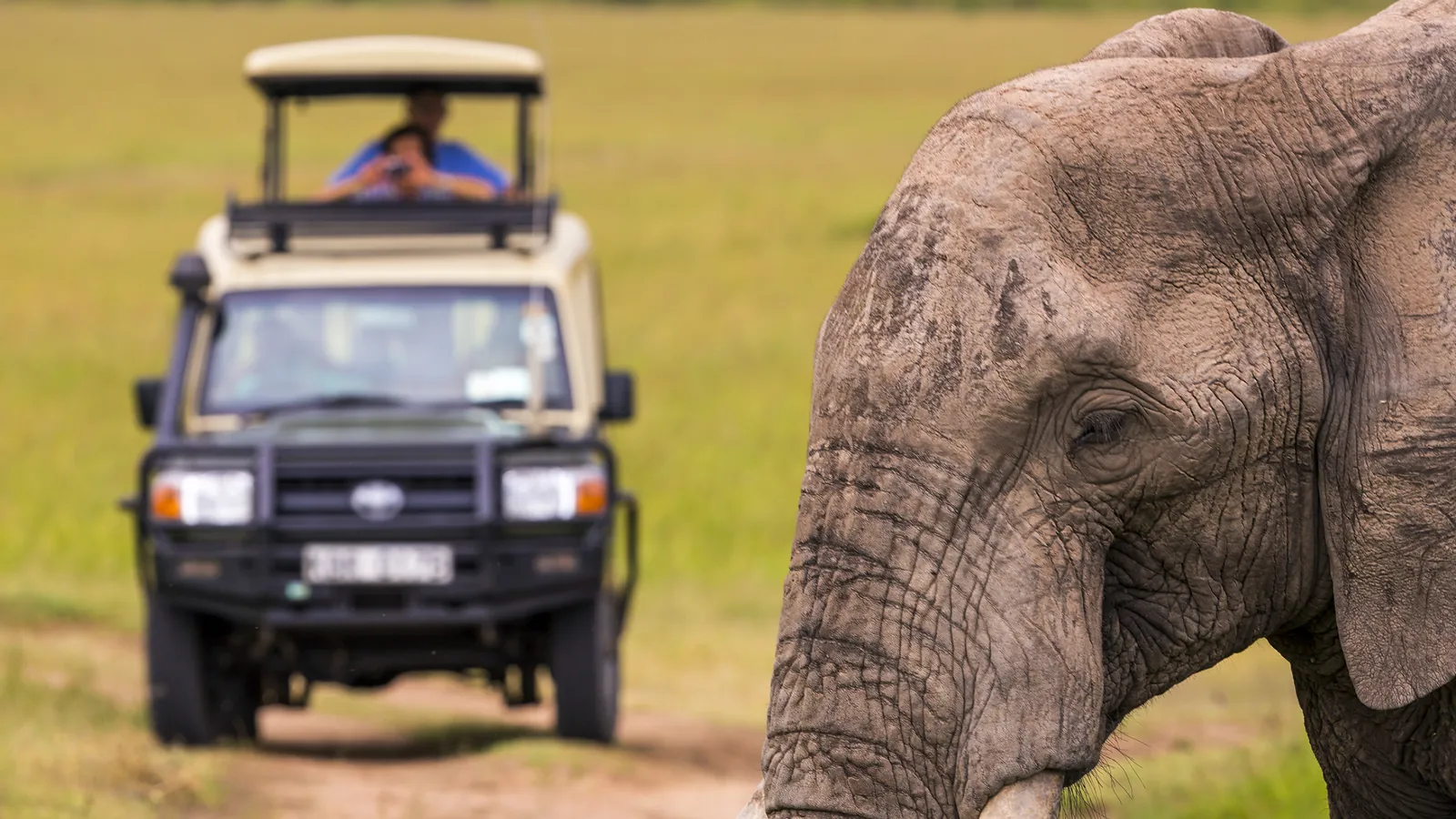
Wear layers in khaki, olive or tan: a warm fleece and windproof jacket for cold dawns, light breathable clothes for midday, plus a hat, sunscreen and a soft bag.
What to wear on safari in Tanzania comes down to layers and neutral colours. Pack a warm fleece and a windproof jacket for cold dawn drives, light breathable shirts and trousers in khaki, olive or tan for the hot middle of the day, and a hat, sunglasses and sunscreen throughout. Keep everything in a soft-sided bag, because light aircraft rarely accept hard suitcases.
This guide is the practical version of a safari packing list: what to wear at each time of day, which colours and fabrics work, what to put on your feet, the kit that matters for photography, and what to leave at home. If you are still deciding on dates or length, our travel guide and the sections below on seasons will help you narrow it down.
Why one safari day feels like three different climates
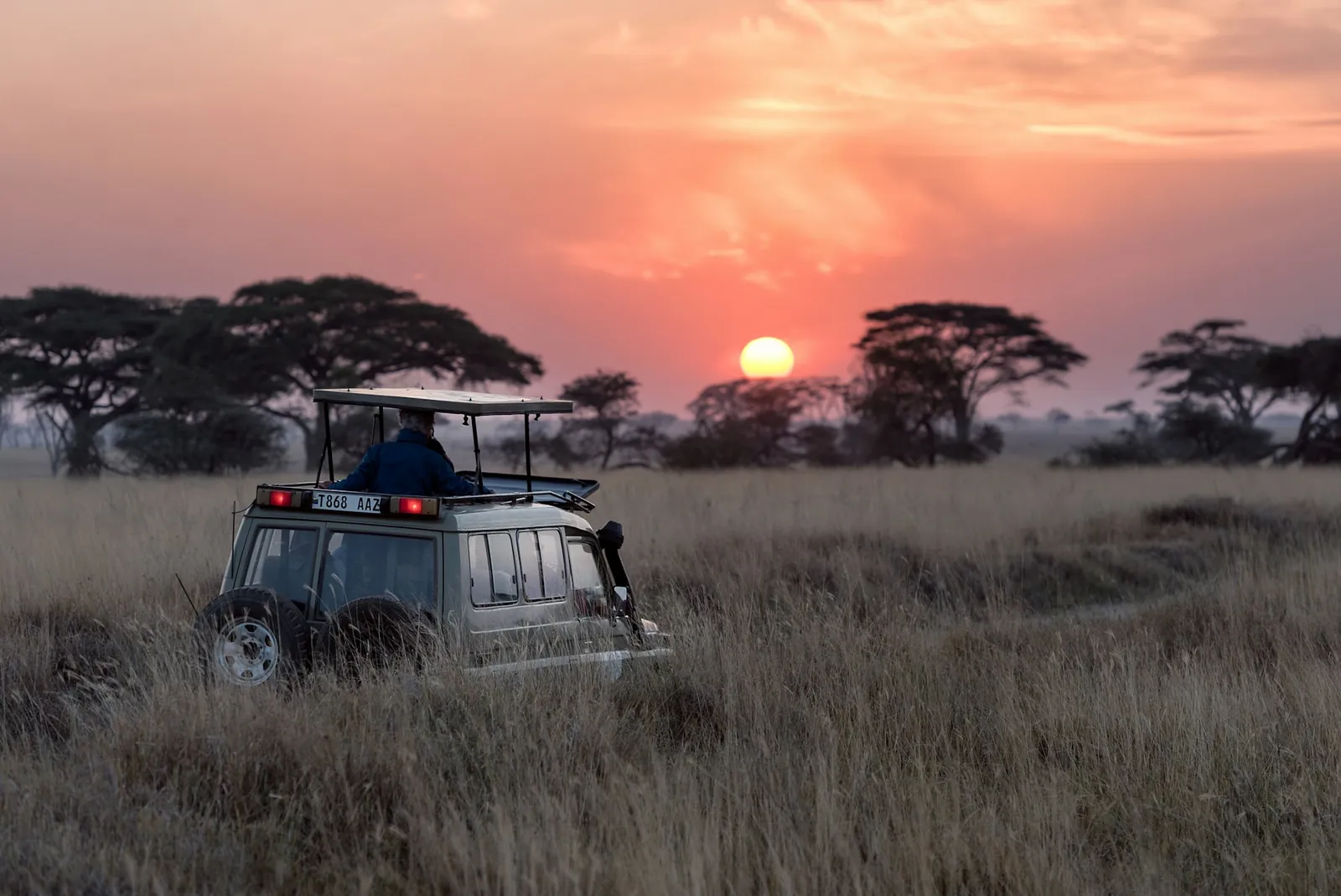
Northern Tanzania sits on the equator, but much of the safari circuit is high. The Ngorongoro Crater rim is roughly 2,000 metres or more above sea level, and the Serengeti plains and the Arusha region are well above the coast. Altitude, clear skies and dry air mean the temperature swings widely between first light and early afternoon.
In practice a typical day runs like this:
- Dawn (about 05:30 to 08:00): cool to cold. You are sitting in a moving vehicle with the roof up or open, so wind chill makes it feel colder than the thermometer says.
- Midday (about 10:30 to 15:30): hot, bright and often dusty. Animals rest in shade, and so should you.
- Evening (from about 17:30): cooling quickly once the sun drops, with the chill returning at camp or lodge after dark.
The Ngorongoro Crater rim is the coldest place on most itineraries. Travel sources commonly put rim temperatures at roughly 13 to 24°C by day and as low as about 4°C at night, while the crater floor, several hundred metres lower, is noticeably warmer. Figures vary by month and by source, so treat them as a guide and check a current forecast before you fly.
The layering system that works
Layering means several thin pieces you can add and remove, rather than one heavy coat. It is the single most useful idea in any guide to what to wear on safari in Tanzania.
Base layer: breathable and quick-drying
Start with a light long-sleeved or short-sleeved shirt in cotton blend, merino or a technical synthetic. Merino resists odour on multi-day trips, and synthetics dry fast if you wash them in a basin. A thin thermal top is worth including if you are visiting between June and September, or if you feel the cold easily.
Mid layer: the warm fleece
A fleece, light down jacket or merino jumper handles the dawn game drive and the evening at camp. It should pack small. You will wear it for the first two hours and then stuff it in your day bag.
Outer layer: wind and rain
A windproof jacket stops the chill that comes with an open vehicle. In the rainy months a lightweight waterproof shell does double duty. Ponchos are bulky and flap in the wind, so a proper packable jacket is more comfortable.
Bottoms
Lightweight trousers are the best all-round choice: they protect against sun, dust, grass seeds and insects. Convertible trousers that zip into shorts are handy for hot afternoons. Add one pair of warmer leggings or thermal bottoms for cold mornings if you are visiting the crater rim or travelling in the cooler season.
Accessories
- A warm hat or beanie and a thin pair of gloves for dawn drives
- A scarf or buff, which also keeps dust off your face
- A wide-brimmed hat with a chin strap for midday
- Warm socks for the evenings, even in the warmer months
Colours: what to wear and what to avoid
Colour is practical on safari, not a matter of style.
- Khaki, olive, tan, sand and muted brown: the safe choices. They blend in, hide dust and stay cooler than dark shades.
- Very dark blue and black: many guides and travel operators advise avoiding these in areas with tsetse flies, such as parts of Tarangire and the Serengeti woodlands, because the flies are believed to be drawn to dark and blue tones. The evidence is partly anecdotal and colour is no guarantee, but a neutral wardrobe costs you nothing. Black is also hot in the sun.
- Bright white: it shows dust within an hour and gets grubby fast on a game drive. Pale cream and stone work better.
- Bright colours and bold patterns: not harmful to the animals as such, but they stand out against the bush and can be distracting. Muted tones keep the focus on the wildlife.
Long sleeves and long trousers also help reduce bites from insects whatever the colour. For repellent and malaria prevention, ask your doctor or a travel clinic well before you travel, and check official health sources for current guidance.
Fabrics, footwear and sun protection
Fabrics
Choose lightweight, tightly woven, breathable fabric. Cotton blends are comfortable but slow to dry. Synthetics and merino dry quickly. Avoid heavy denim, which is hot and slow to dry, and anything noisy such as stiff nylon that rustles on a walking safari.
Footwear
- Game drives: comfortable closed shoes or light trail shoes. You mostly sit in the vehicle, so heavy boots are unnecessary.
- Walking safaris: broken-in trail shoes or light ankle boots with a grippy sole and cushioned socks. Never wear brand-new shoes for the first time on safari. Many of our packages include a free 2-hour walking safari, subject to park rules, so pack footwear you can walk in comfortably.
- Camp and lodge: a pair of sandals or slip-ons for the evening.
Sun and dust
- Broad-spectrum sunscreen, SPF 30 or higher, and lip balm with sun protection
- Sunglasses with UV protection, ideally polarised for glare
- A hat that shades your neck
- Eye drops and a spare pair of glasses or contact lenses if you wear them, because dust can irritate eyes
- Wet wipes and a lens cloth, which you will use more than you expect
Seasons: safari clothes by season
Tanzania has two main wet periods, the long rains roughly from March to May and the short rains around November, with a drier stretch from about June to October. Exact timing shifts from year to year.
- Dry season (about June to October): clear skies, cold dawns and strong sun. Take the full set of warm layers, plus extra dust protection. Evenings at altitude can be properly cold.
- Short rains (about November to December): mixed weather with warm days and showers. Bring a waterproof shell and quick-drying clothes.
- Green season (about January to February): generally warmer, with the possibility of afternoon showers. You can pack lighter, but keep a fleece for the crater rim.
- Long rains (about March to May): frequent rain and fewer visitors. Waterproof jacket, shoes that can get wet, and a dry bag for electronics.
If your dates depend on wildlife, our guide to the best time to see the Great Migration shows where the herds are through the year, and that in turn tells you which climate zone you will be in.
Photography, binoculars and charging
Good optics improve a safari more than almost any other item you pack.
- Binoculars: 8x42 or 10x42 are a popular, practical choice. Bring a pair per person if you can, so nobody waits for a turn.
- Camera: a zoom lens in the 100-400mm range suits most wildlife photography. A phone with a decent camera is fine for scenery and camp.
- Protection: a dust-proof bag or large zip bag, a microfibre cloth and a bean bag or small support for the vehicle window.
- Storage: spare memory cards and a way to back up photos in the evening.
Power and charging
Tanzania uses 230V at 50Hz. Sockets are commonly Type G (three rectangular pins, as in the UK), and Type D (three round pins) is also found, so a universal travel adapter is the safest choice. Check that your chargers accept 230V; most phone and camera chargers do. Charging may be limited to certain hours at camps and in vehicles, so bring a power bank and a multi-way adapter, and charge devices whenever you can.
Luggage: soft bags and light aircraft
If your itinerary includes small bush flights, the rules are strict. Light aircraft have small holds, and operators usually require soft-sided bags, such as duffels, rather than hard suitcases. A weight limit of around 15 kg per person, including hand luggage, is widely quoted, but the exact limit varies by airline, so confirm it before you pack. If you are combining the safari with a beach stay, our Bush & Beach with Zanzibar packages are a good example of when this planning matters. Zanzibar flights are sold separately, so check the baggage rules on that ticket too.
Practical tips for staying under the limit:
- Pack four or five tops, not ten. Laundry is often available at lodges, and you can rinse light items yourself.
- Wear your bulkiest layer and shoes when you fly.
- Leave formal clothes at home. Smart casual is the most you will need for an evening meal.
- Store spare luggage at your hotel in Arusha if you can, and take only the soft bag on the plane.
Zanzibar beach add-on
If you are finishing on the coast, add swimwear, a cover-up, light linen or cotton clothing, reef-safe sunscreen and flip-flops. Zanzibar is a mostly Muslim island, so when you leave the resort and walk through towns or villages, shoulders and knees covered is a respectful choice. Weather on the coast is warm and humid all year, so the warm layers you used on the crater rim can stay in the soft bag.
The printable safari packing list
Use this as a checklist. Adjust for the season and for any flights.
Clothing
- 3 to 4 lightweight shirts or tops in neutral colours
- 2 pairs of lightweight trousers, ideally one convertible
- 1 pair of shorts or a skirt for camp
- 1 fleece or light down jacket
- 1 windproof or waterproof jacket
- 1 thermal top (and bottoms for cold months)
- Warm hat, gloves and a buff or scarf
- Wide-brimmed sun hat
- Underwear and socks for the length of the trip, with a few extra warm pairs
- Sleepwear, plus swimwear if your lodge has a pool
Footwear
- Broken-in trail shoes or light boots
- Sandals or slip-ons for camp
Gear
- Binoculars and camera with spare batteries and cards
- Universal adapter and power bank
- Small daypack for the vehicle
- Torch or headlamp
- Reusable water bottle
- Sunglasses, sunscreen, lip balm and insect repellent
- Personal medication in your hand luggage, with a copy of any prescription
- Passport, travel insurance details and printed copies of key documents
- Small amount of cash for tips and souvenirs
What not to bring
- Hard suitcases if you will be on light aircraft.
- Camouflage clothing. Military-style camouflage patterns are restricted or discouraged in many African countries, so leave them at home and wear plain neutrals instead.
- Plastic bags. Check current rules, because Tanzania has restricted plastic carrier bags in the past, and avoid bringing them.
- Drones. Rules are strict. Check with the relevant authorities and your operator before bringing one.
- Strong perfume or scented products, which attract insects and are unpleasant in a shared vehicle.
- Valuables and showy jewellery that you do not need.
- Too many shoes. Two pairs and sandals are enough.
For specifics on entry requirements, health advice and what your itinerary allows, always check official sources and talk to us before you travel.
Plan your trip with Strenger African Safaris
We are based in Arusha and run classic safaris, filming safaris, Bush & Beach with Zanzibar, honeymoon and AFCON 2027 safari packages, with three price levels: Experience only, With accommodation, and All inclusive. You can browse all safari packages, or contact us with your dates and we will tell you what the weather and the itinerary mean for your packing. If you are travelling as a family, see our guide to a family safari in Tanzania with kids, and to choose how long to stay read how many days you need for a Tanzania safari.
Frequently asked questions
What should I wear on a Tanzania safari?
Is it cold on safari in Tanzania?
Why avoid dark blue and black clothing on safari?
What luggage should I take on a safari with light aircraft?
What plug do I need in Tanzania?
Do I need a rain jacket on safari?
Strenger African Safaris Team
Safari planning team, Strenger African Safaris, Arusha.