East African Ecosystems

Destinations & National Parks

From the endless golden grasslands of the Serengeti to the misty heights of Ngorongoro and the tropical waters of Zanzibar, explore the places where Strenger guides work.
Serengeti National Park
The Endless Plains & Great Migration

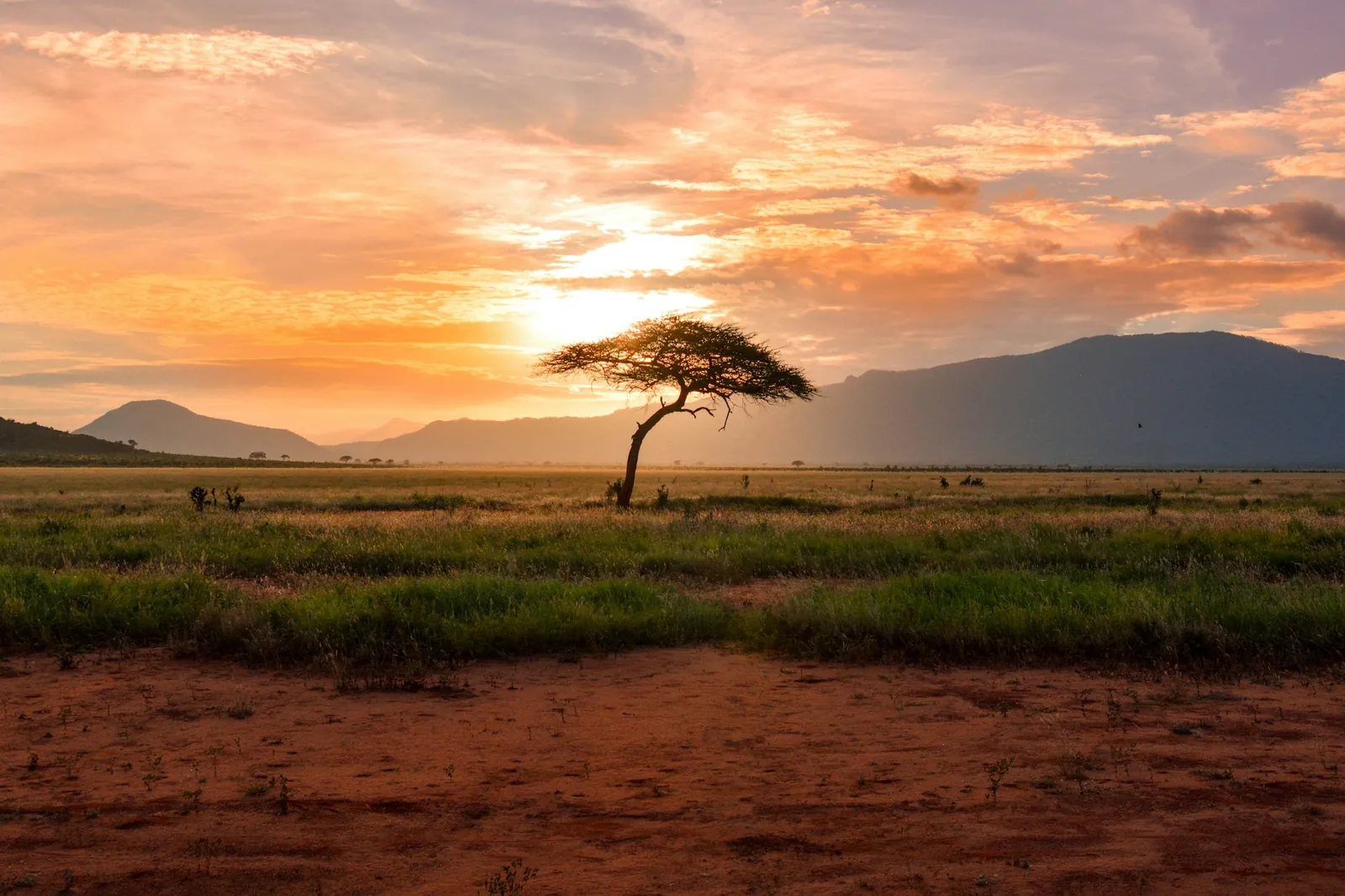
Serengeti National Park

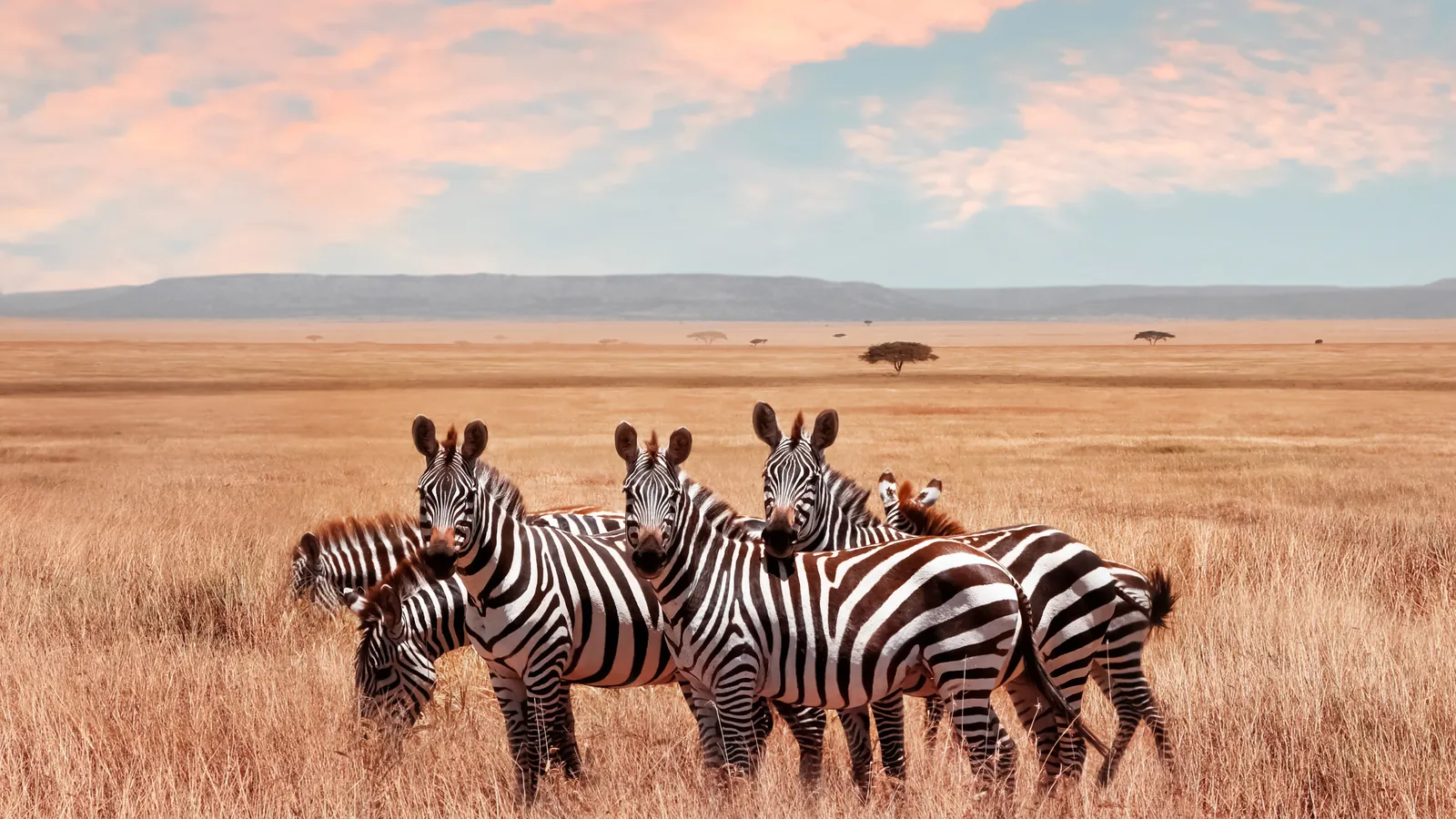
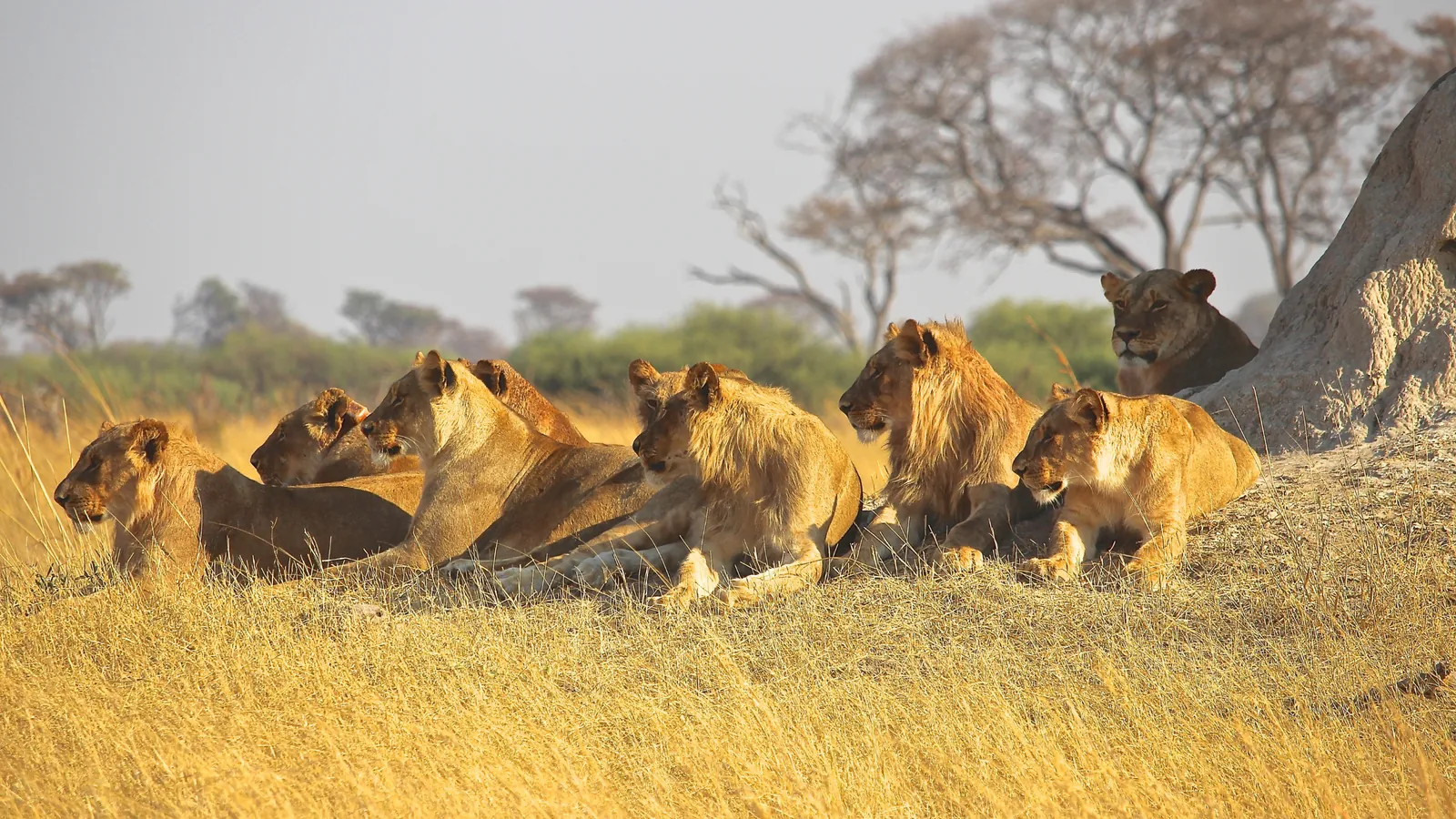
Vast golden savanna and one of Africa's richest concentrations of wildlife. Famous for the Great Migration of wildebeest and zebra, and for the rocky kopjes where lions and leopards rest.
Key Wildlife: Lions, Leopards, Cheetahs, Wildebeest, Hyenas
Prime Time: Dec - Mar (Calving) & Jul - Oct (Mara River)
Ngorongoro Crater
UNESCO World Heritage Caldera

Ngorongoro Crater

A vast, intact volcanic caldera and a UNESCO World Heritage Site. Driving down to the crater floor, you find a self-contained world of grassland, lake and forest where wildlife is easy to see, including the rare black rhino.
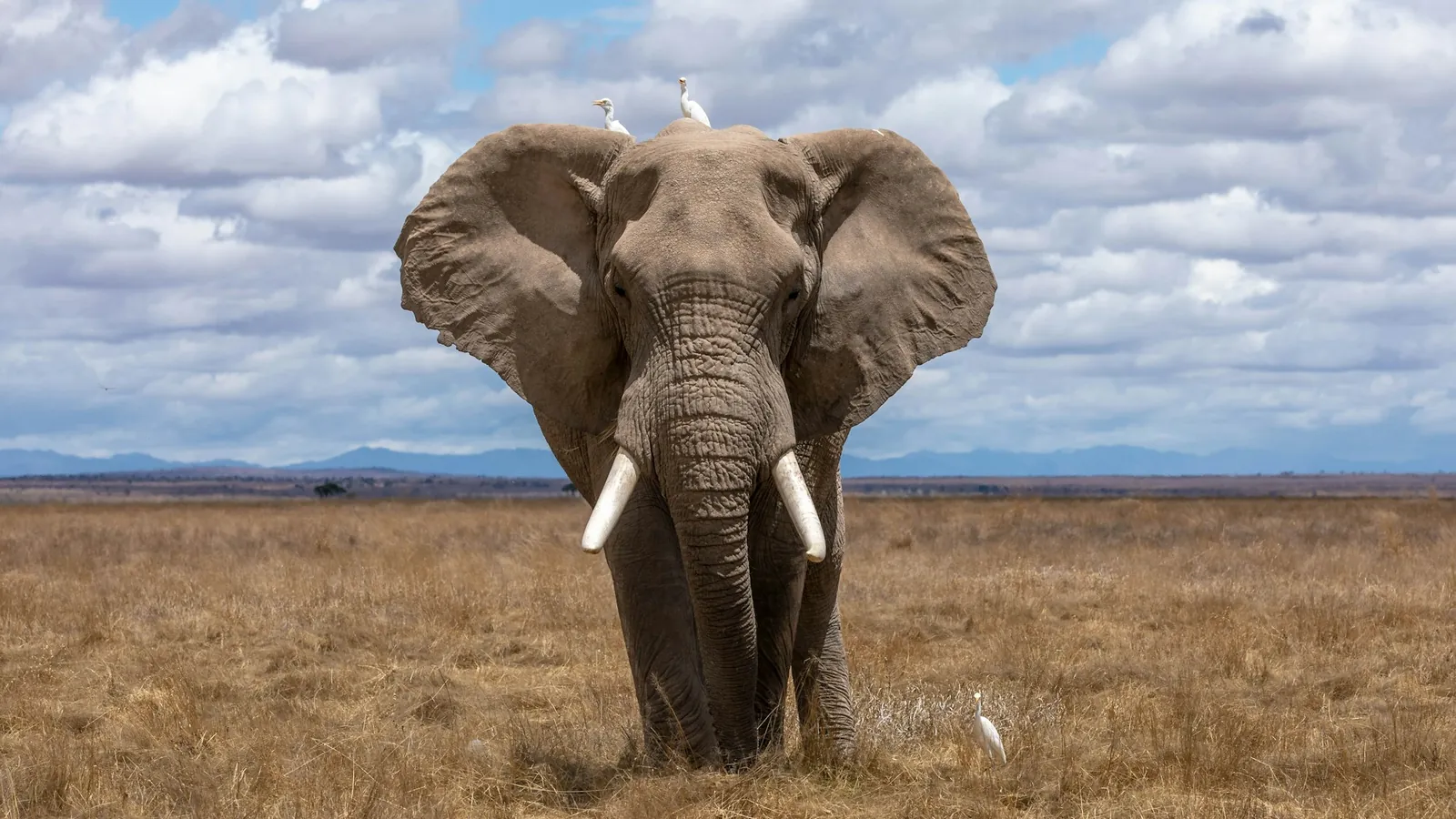
Key Wildlife: Black Rhino, Bull Elephants, Lions, Golden Jackals
Prime Time: Year-round wildlife sightings
Tarangire National Park
Baobab Giants & Elephant Sanctuary

Tarangire National Park

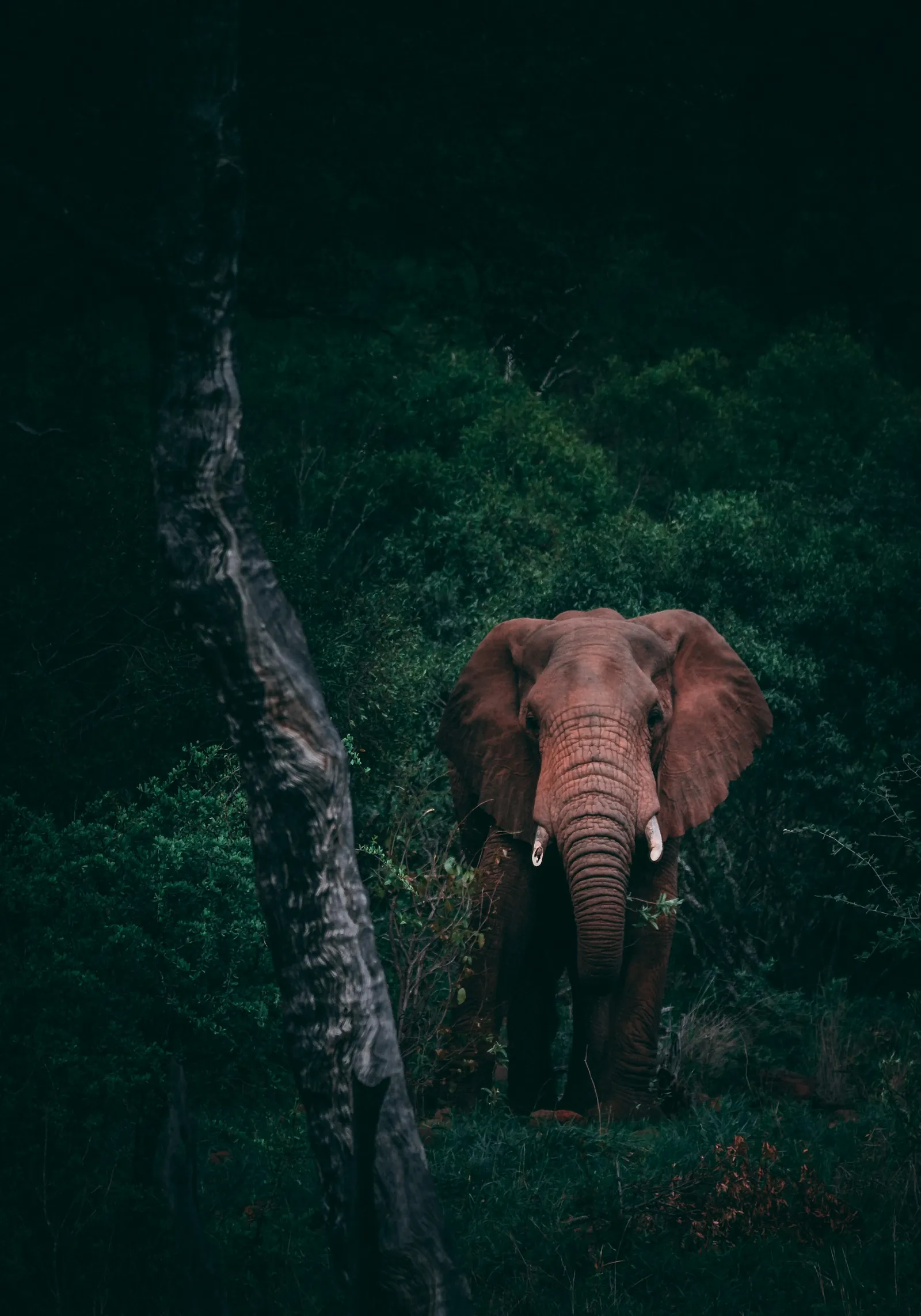
Known for its big elephant herds, which dig in the dry riverbeds beneath ancient baobab trees. In the dry season, thousands of elephants gather along the river.
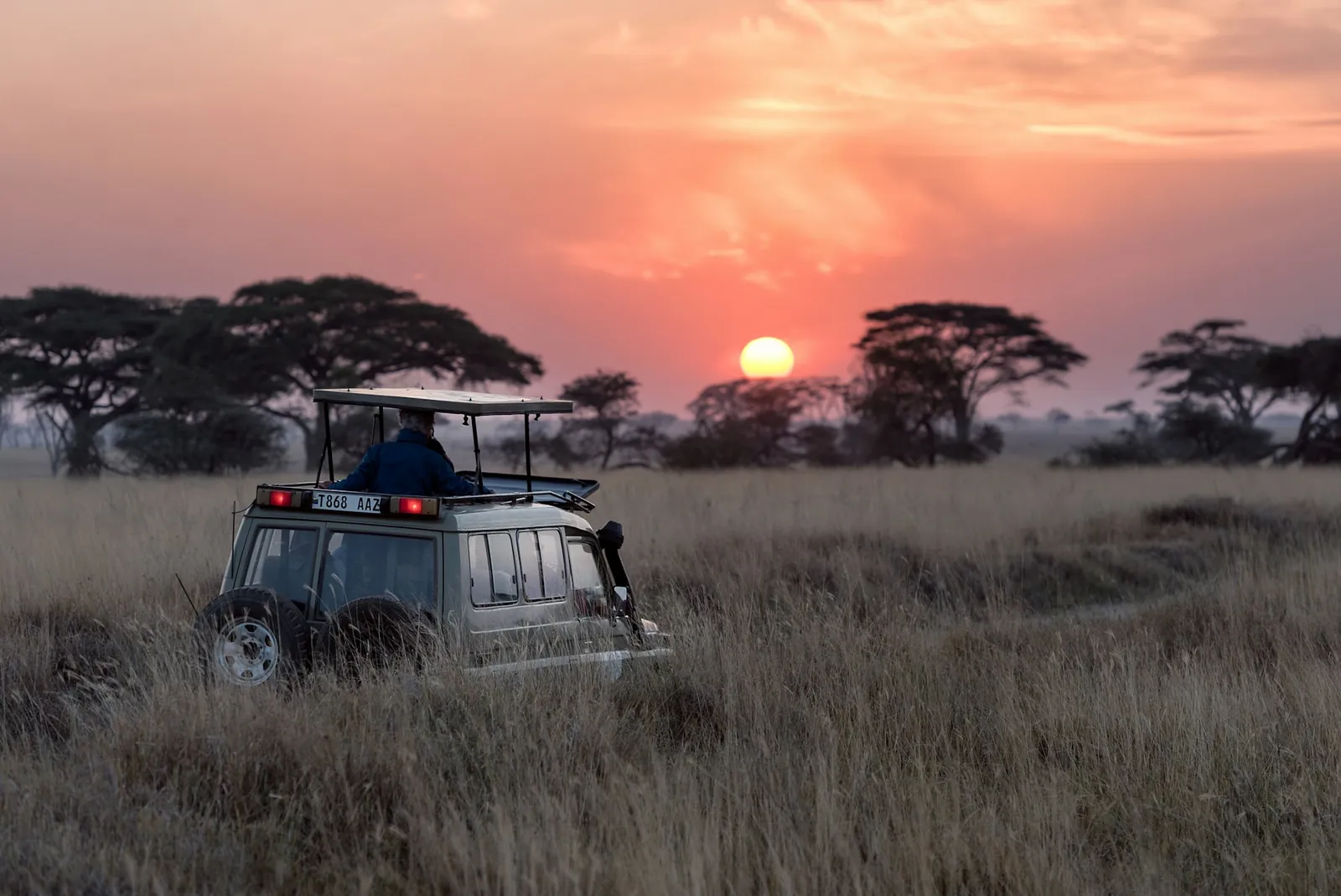
Key Wildlife: Elephants, Pythons, Oryx, Giraffes
Prime Time: July to October (Dry Season)
Lake Manyara National Park
Pink Flamingos & Groundwater Forest

Lake Manyara National Park

Tucked beneath the western escarpment of the Great Rift Valley. An alkaline soda lake that draws flamingos and other water birds, baboon troops, and the park's famous tree-climbing lions.
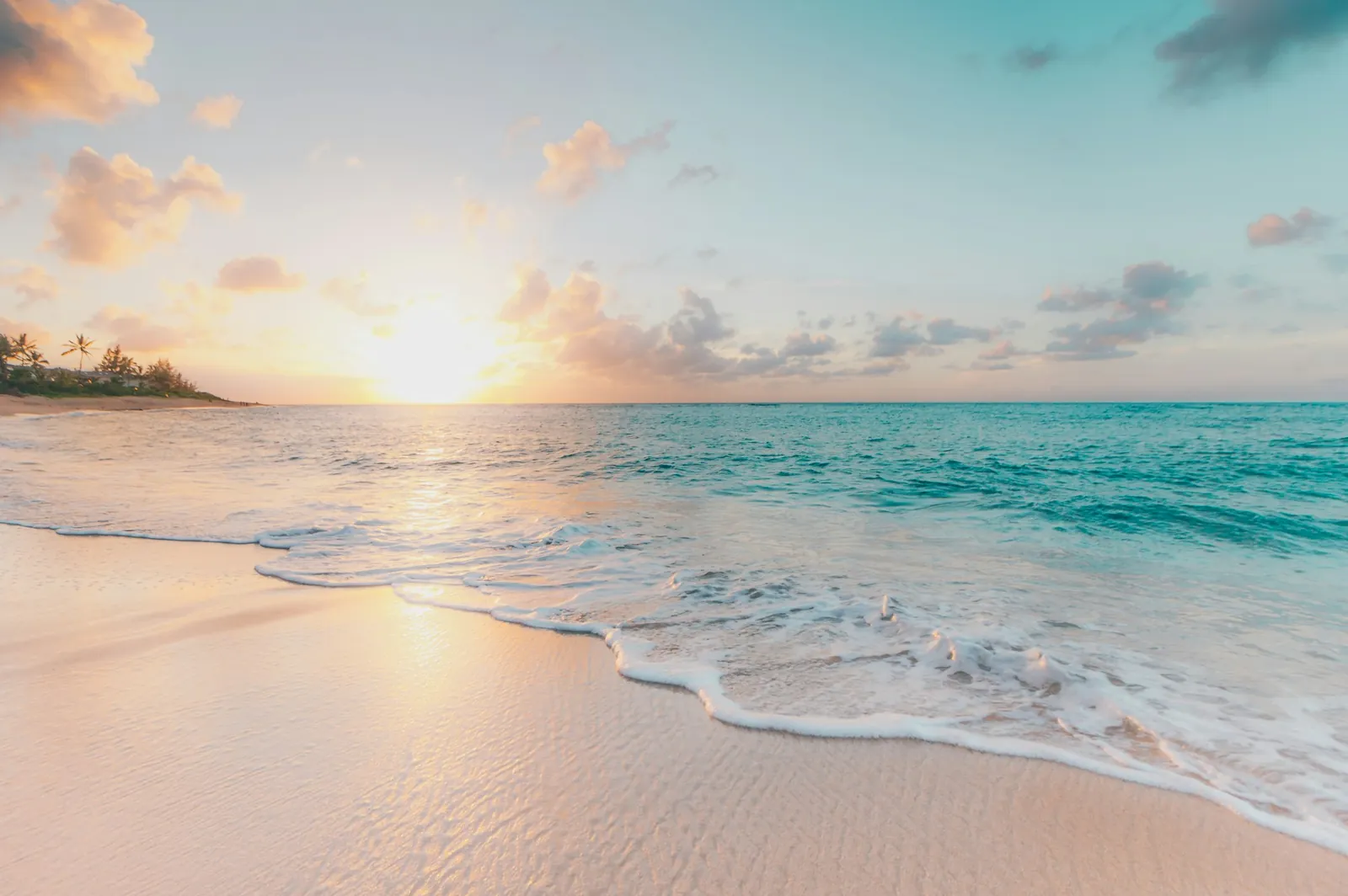
Key Wildlife: Flamingos, Tree-Climbing Lions, Blue Monkeys
Prime Time: November to June (Birding) & July to October
Zanzibar Archipelago
Turquoise Coral Shores & Spice Heritage

Zanzibar Archipelago

The spice island of the Indian Ocean. Wander the UNESCO-listed alleys of Stone Town, snorkel the coral gardens around Mnemba, look for red colobus monkeys and relax on the beaches of Nungwi.
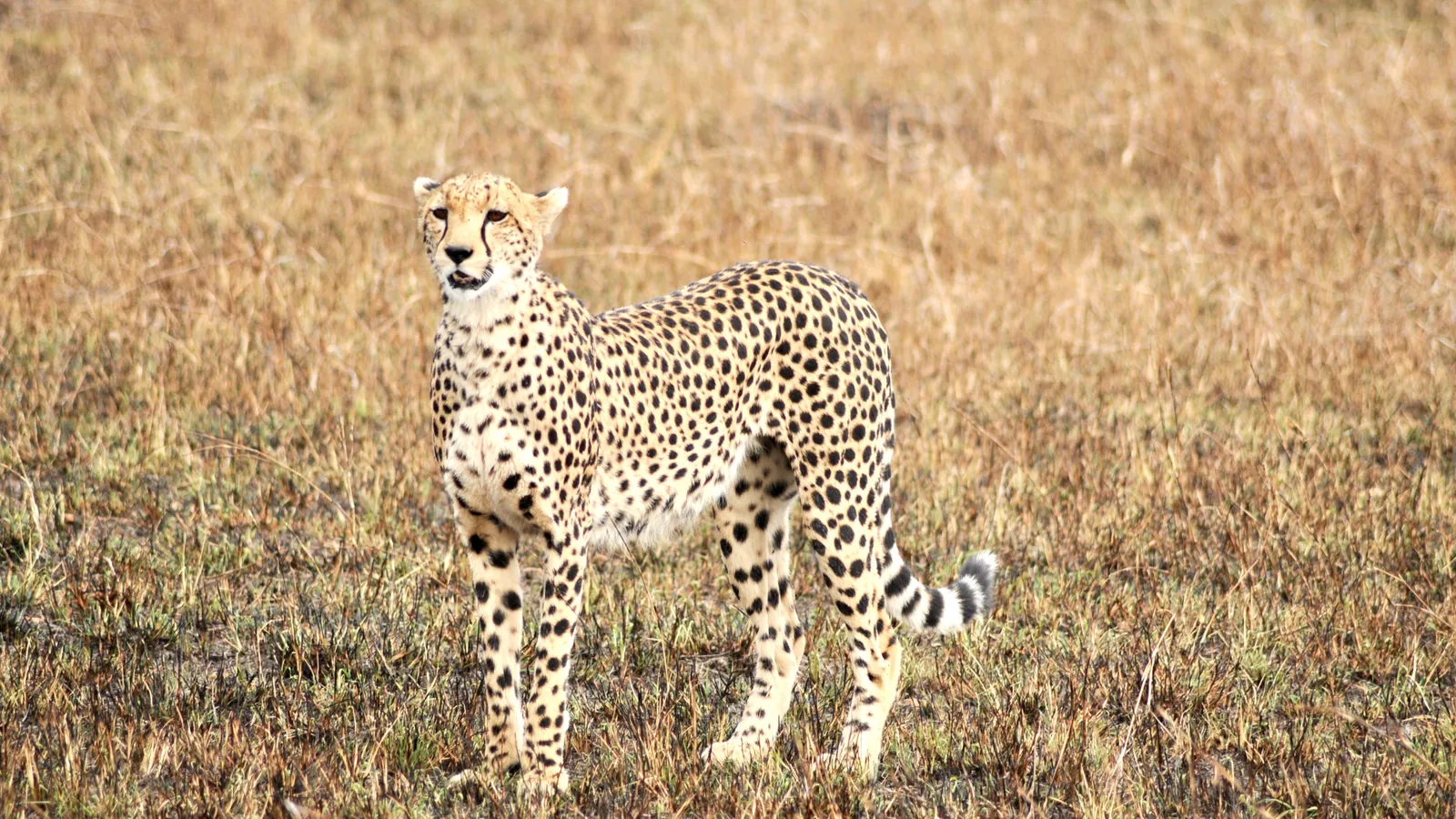
Key Wildlife: Dolphins, Giant Tortoises, Red Colobus Monkeys
Prime Time: Year-round tropical sunshine
Masai Mara & Amboseli (Kenya)
Kilimanjaro Backdrops & Mara River Crossings

Masai Mara & Amboseli (Kenya)

Cross into Kenya for the northern end of the migration and dramatic views of Mount Kilimanjaro rising above Amboseli's elephants and acacia woodland.

Key Wildlife: Big Cats, Big-Tusked Elephants, Cheetahs
Prime Time: July to October & January to March
Bwindi Impenetrable Forest (Uganda)
Mountain Gorilla Sanctuary

Bwindi Impenetrable Forest (Uganda)

Ancient rainforest slopes that shelter a large share of the world's surviving wild mountain gorillas. An emotional trek on foot into their misty habitat.

Key Wildlife: Mountain Gorillas, Chimpanzees, Forest Birds
Prime Time: June to August & December to February
Mafia Island & Chole Bay
Swimming with Wild Whale Sharks

Mafia Island & Chole Bay

A tranquil marine park south of Zanzibar where gentle whale sharks feed in clear, shallow bays. Fine diving and snorkelling on healthy reefs, and the old ruins of Kua nearby.
Key Wildlife: Whale Sharks, Sea Turtles, Coral Reefs
Prime Time: October to March (Whale Shark Season)

Frequently asked questions

Which park should I choose for which animals?
The Serengeti is best for big cats and the Great Migration. Ngorongoro Crater is known for dense wildlife and a chance to see black rhino. Tarangire is famous for large elephant herds and baobab trees. Lake Manyara offers birdlife and tree-climbing lions on occasion. Compare our packages by park.
When is the best time to visit the Serengeti?
Wildlife is good year-round, but timing matters for the migration. Typically, the calving season in the southern Serengeti and Ndutu is around January to March, and the dry months of about June to October are strong for river crossings in the north. Tell us what you want to see.
When should I visit Ngorongoro, Tarangire and Manyara?
Ngorongoro Crater can be visited year-round, though the dry season is easier on the roads. Tarangire is typically best in the dry season, from about June to October, when animals gather at the river. Manyara is rewarding in most months, especially for birds after the rains.
How many days should I spend in each park?
As a rule of thumb, allow 2 to 3 days in the Serengeti, 1 day for Ngorongoro Crater, and 1 day each for Tarangire and Manyara. A 5 to 7 day trip lets you combine several parks without rushing. We can fit this to your dates on the packages page.
What is the Ngorongoro Crater?
Ngorongoro Crater is a huge volcanic caldera in northern Tanzania and part of a UNESCO World Heritage site. Its floor is home to a dense concentration of wildlife, including lions, elephants, buffalo and hippos. A game drive down into the crater is often a highlight.
Can you arrange trips in Kenya or Uganda?
We are based in Arusha and focus on Tanzania. If you want to include Kenya or Uganda, for example around AFCON 2027 or to see gorillas in Uganda, contact us and we will tell you what we can arrange and what is best booked separately.