Family Safari in Tanzania With Kids: Ages, Tips, Plans

A family safari in Tanzania works well for most children, with no single national minimum age. Lodge and activity rules differ, so check each one. Here are ages, plans and tips.
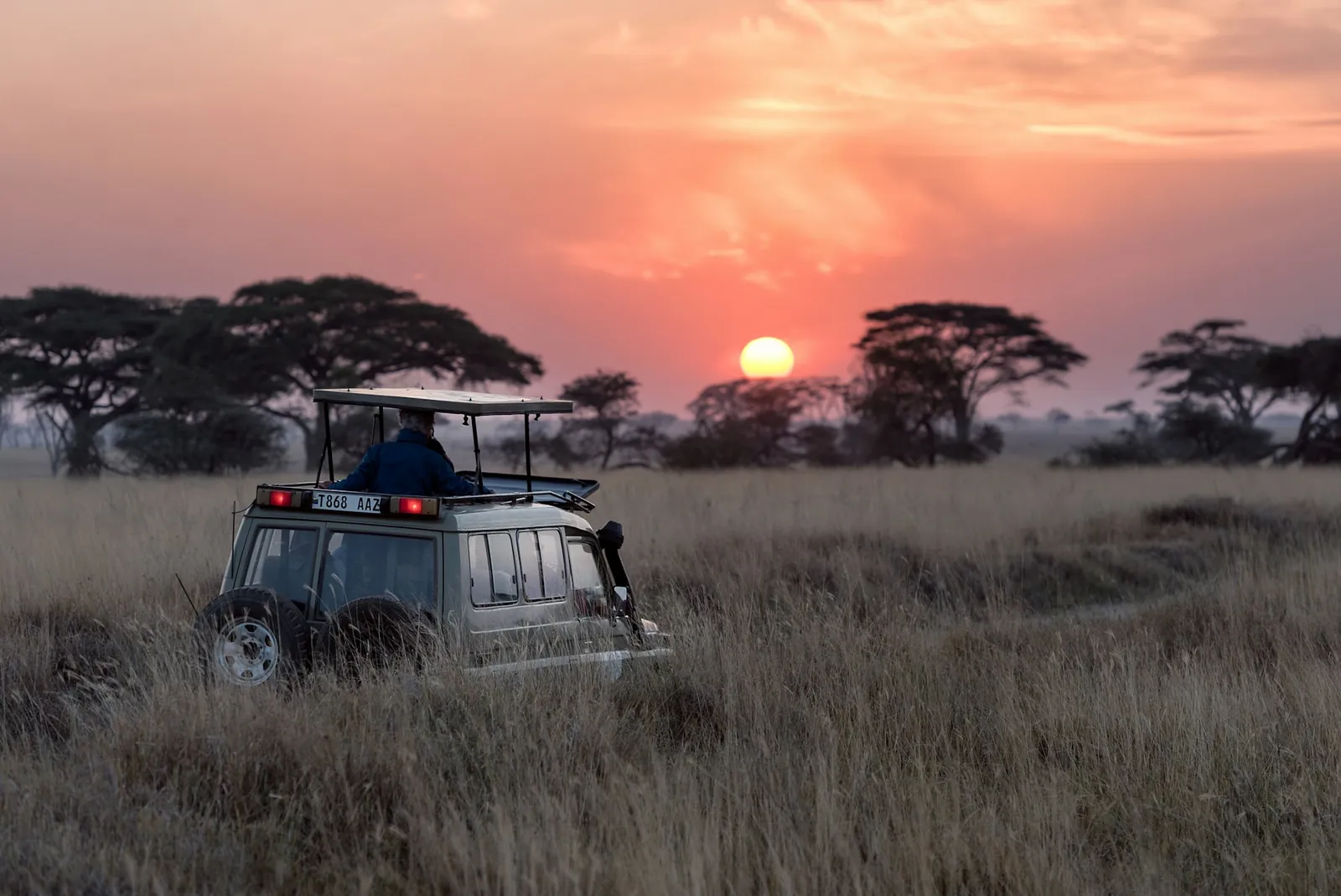
A family safari in Tanzania is realistic for most children, from toddlers in a vehicle to teenagers on a longer trip. There is no single national minimum age for a game drive, but individual lodges, camps and activities such as walking safaris often set their own limits, so always check the age policy before you book. Many families find ages 6 to 12 the easiest, and a trip of 5 to 7 days with short drives and a rest day works best.
This guide covers the practical questions parents ask us most: how old is old enough, how to survive long drives, what to pack, how to keep children engaged, how to add Zanzibar beach days, and how children are priced. It is written to help you plan honestly, not to sell you a trip that does not suit your family.
Is there a minimum age for a Tanzania safari with kids?
There is no one rule that covers every park, lodge and activity. Sources we checked agree that the national parks do not set a general minimum age for a vehicle game drive, which is why you will see toddlers and babies in safari vehicles. The limits come from elsewhere.
- Lodges and camps often set their own minimum age for guests, commonly somewhere between about 5 and 12 depending on the property. Some welcome babies and offer family rooms, others do not accept young children at all, usually because of unfenced camps and wildlife walking through.
- Walking safaris are the strictest category. Minimum ages are often quoted from 12 up to 16, depending on the park, the area and the operator. Treat any figure as something to confirm, not a fact to rely on.
- Night drives and bush activities are commonly restricted to older children, and are often only available outside the national parks.
- Shared vehicles and group departures may have their own rules, which is one reason many families choose a private vehicle.
The safest approach is simple: tell us your children's ages when you enquire, and ask for each lodge's written child policy. Our free 2-hour walking safari, offered on most packages, is subject to park rules and age limits, so younger children may not be able to join it. If you want a plan built around your family, contact us.
What is the best age for a safari with children?
Honestly, it depends on the child more than the birthday. A calm four-year-old who loves animals can have a better time than a restless ten-year-old who dislikes sitting still. Still, a few patterns hold across most family-travel advice.
- Babies and toddlers (0 to 3): possible, especially in a private vehicle where you control the schedule. Expect naps, nappies and plenty of flexibility. Children rarely remember the trip, so many parents wait, but others go and enjoy it.
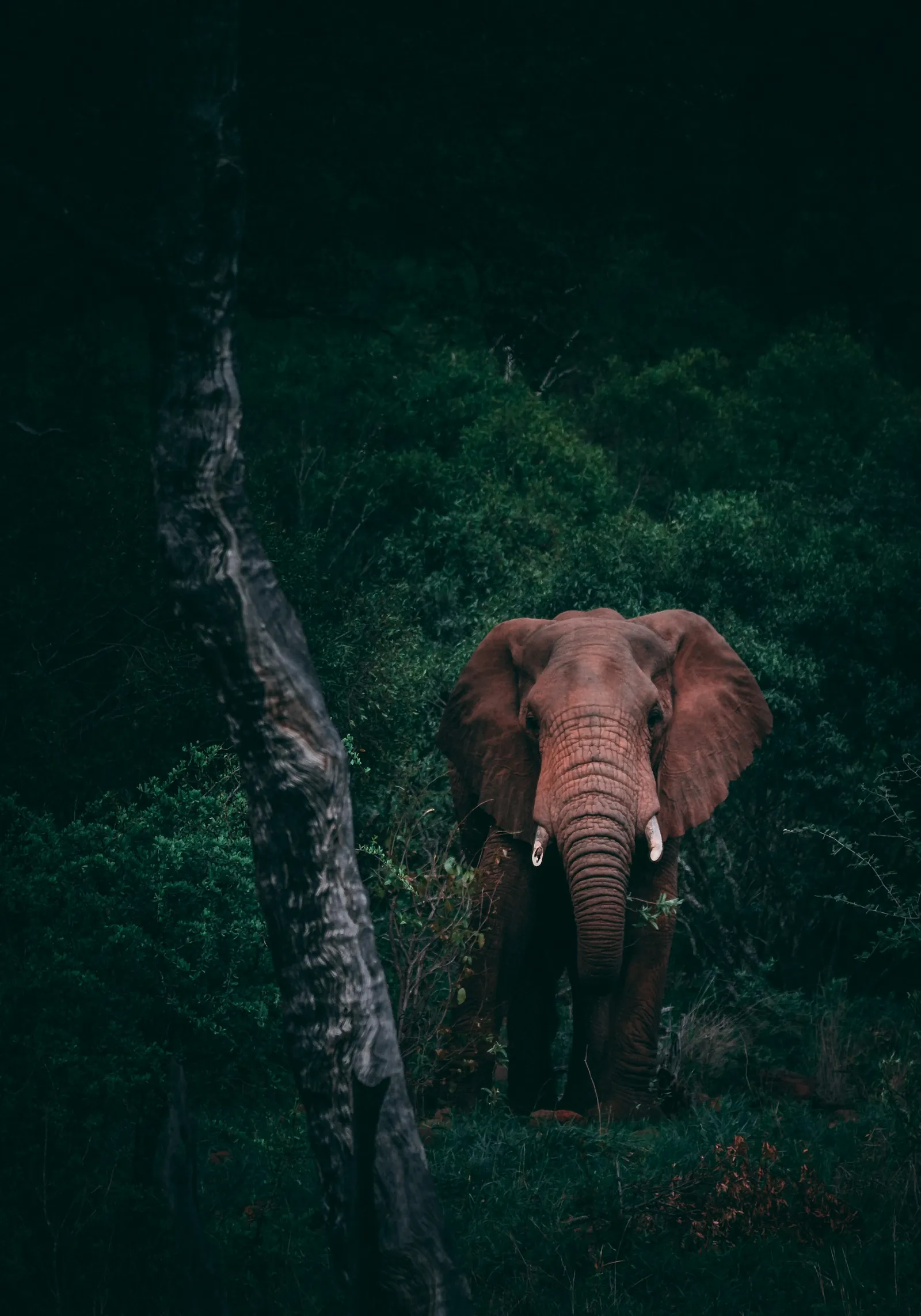
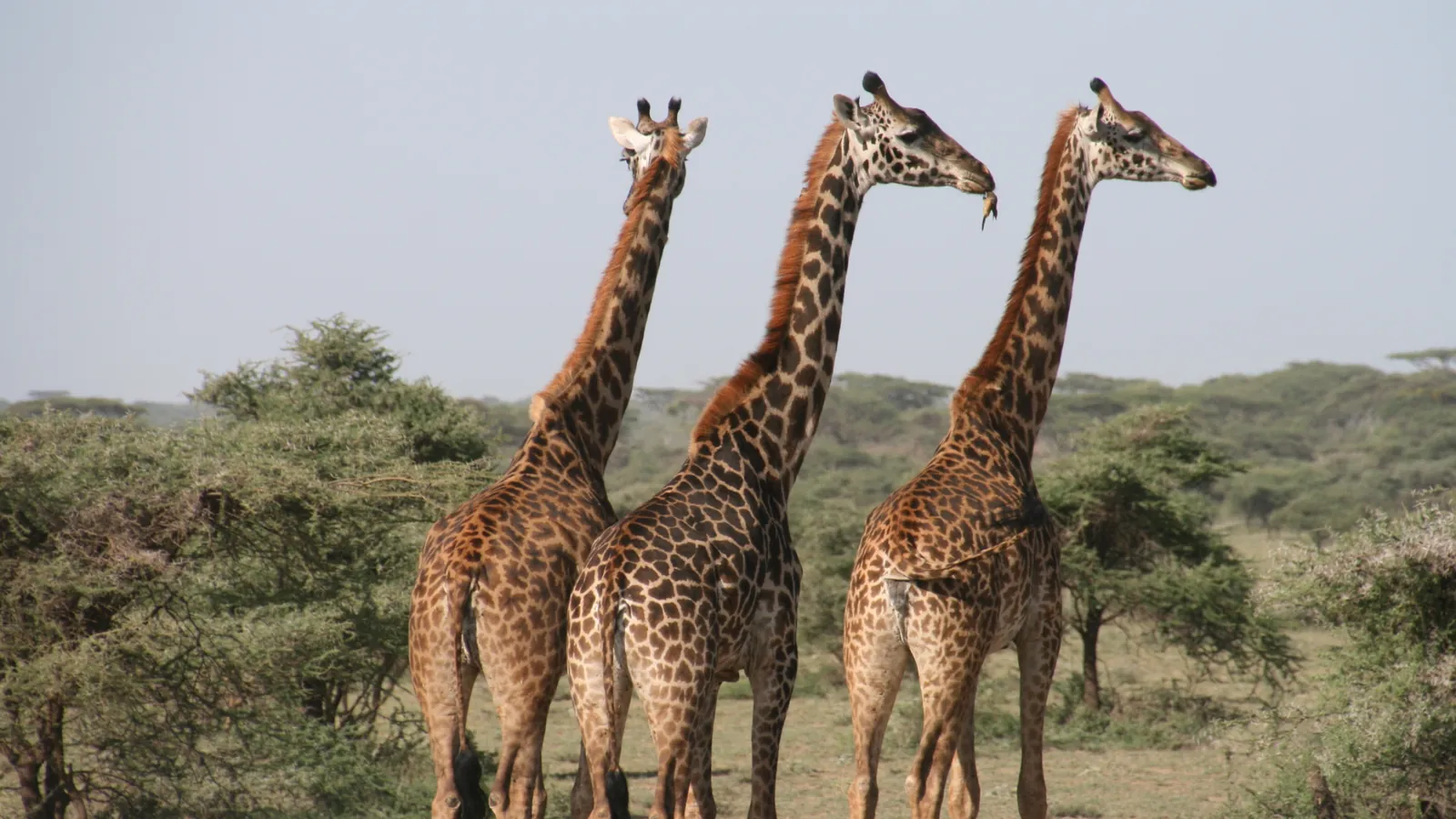
- Ages 4 to 7: a good age for short, exciting days. Plan one game drive in the early morning and a quiet midday. Animals like elephants and giraffes tend to be huge hits.
- Ages 8 to 12: often called the sweet spot. Children can handle longer drives, follow safety rules, use binoculars and keep a journal, and they remember the trip.
- Teenagers: usually excellent travellers, especially if they like photography. They are also more likely to be eligible for walking activities where permitted.
If you are weighing up a safari with toddlers, the main question is not whether the animals will be there, but whether the logistics suit you: drive times, a lodge that accepts the age, and a vehicle where you can get up and move around.
How long should a family safari be?
For most families, 5 to 7 days is the comfortable range. It gives you enough time to see the Ngorongoro Crater and at least one other park without packing every day with a long transfer. Children tire faster than adults, so fewer parks with more nights in each place usually works better than a rushed circuit.
If your children are young, consider a shorter, gentler option such as the 4-day Flamingo safari, which keeps travel time manageable. For a first full trip with older children, the 5-day Ngorongoro Crater safari offers a lot of wildlife in a compact area. Our guide on how many days you need for a Tanzania safari goes into more detail.
Health, malaria and medical advice
We are a safari operator, not a medical service, so we will not tell you what your family needs. Please talk to your doctor or a travel clinic well in advance of your trip, ideally weeks before you fly, about health precautions for each family member, including young children. Ask them about anything specific to your children's ages and any existing conditions.
It is also sensible to carry a basic first-aid kit, any regular medicines, and travel insurance that covers all of you. Safari areas can be a long way from a hospital, so ask your insurer what it covers for medical transport.
Child seats, long drives and keeping kids happy
Long drives are the part of a family safari that parents worry about most, and with good reason. Road transfers between parks can take several hours, and game drives are slow. A few things help.
Strenger offers complimentary child seats for children up to 2 years. Please ask us when you enquire so we can arrange the right seat for your child's age and size. For older children, ask what restraints are available in your vehicle.
- Split the day. Go out early, when animals are most active and the air is cool, rest at the lodge in the heat of midday, and head out again late afternoon if everyone has the energy.
- Plan around naps. For toddlers, schedule longer transfers during nap time where you can.
- Play spotting games. A safari bingo card, an animal checklist or a spotting contest makes a long scan of the bush feel like a game.
- Give them tools. A pair of child-sized binoculars, a notebook for a journal, and a camera or old phone for photos keep children involved.
- Pack snacks and water. Hungry children are fast to lose patience. Keep snacks and water in the vehicle.
- Ask for a quiet day. Not every day needs to be a full game-drive day. A rest day by the pool is not wasted.
Packing for children on safari
Safari days start cool and finish hot, and dust is common, so layers matter. Our guide to what to wear on safari in three temperatures covers adult clothing in detail, and the same principles apply to children.
- Light, long-sleeved tops and trousers in neutral colours such as khaki, olive and beige. Avoid bright colours and, in some areas, very dark blue or black.
- A warm fleece or jacket for early mornings, and a hat for the sun.
- Sunscreen and sunglasses sized for children.
- Closed, comfortable shoes and sandals for the lodge.
- Binoculars, a journal, pencils, and a favourite toy or book for downtime.
- Wipes, a small first-aid kit and any medicines your doctor recommends.
- Spare clothes in the day bag. Dust, spills and sticky hands are inevitable.
- A reusable water bottle for each child, and favourite snacks from home for picky eaters.
Safety rules around wildlife
Safari is safe when everyone follows the rules, and children can learn them quickly. Explain them before the first game drive, and repeat them each morning.
- Stay seated and keep arms, legs and cameras inside the vehicle unless your guide says otherwise.
- Use quiet voices. Shouting or sudden movements can disturb animals.
- Never get out of the vehicle except at designated points, and always with your guide's permission.
- Never feed animals, including monkeys and baboons, which can be bold around picnic sites.
- At the lodge, follow the rules about moving around after dark, and keep young children by your side. Many properties will escort you between your room and the main area.
- Keep toddlers and small children close, and hold hands when walking in open areas.
For broader reassurance about visiting the country, read our article on whether Tanzania is safe for tourists.
Food and water
Lodges and camps generally cater for families, and many will prepare simple meals for children if you let them know in advance. Tell us about allergies, dietary needs and fussy eaters when you book, so the kitchen can plan.
For drinking, use sealed bottled water or water your lodge confirms is treated, and use it for brushing teeth as well. Wash hands before eating, carry hand sanitiser for picnic lunches and road stops, and avoid raw foods that you cannot peel or that have not been freshly prepared. Ask your doctor or travel clinic for advice specific to your children.
Combining safari with Zanzibar beach days
Many families end a safari with a few days on the beach, and it works well with children: after early starts and long drives, sand and sea are exactly what they need. Our 7-day Bush & Beach with Zanzibar package combines safari days with time on the island. The flight to Zanzibar is sold separately, so we will quote it alongside your trip.
A tip for families: put the beach at the end. Children handle the early mornings better at the start of the trip, and the rest comes as a reward when everyone is tired.
Sample family itineraries
These are outlines to show how a trip can flow. We will adjust them to your children's ages, your dates and the lodge age policies.
Sample 5-day family plan
- Day 1: Arrive in Arusha, transfer and rest. A relaxed first day to recover from flights.
- Day 2: Drive to Tarangire or Lake Manyara for the first game drive, with a midday lodge break.
- Day 3: Head toward the Ngorongoro highlands. Short afternoon activity or pool time.
- Day 4: Full morning in the Ngorongoro Crater, with a picnic lunch and a slow return to the lodge.
- Day 5: Drive back to Arusha, with a stop for souvenirs and the flight home.
Sample 7-day Bush & Beach plan
- Day 1: Arrive in Arusha and rest.
- Days 2 to 3: Tarangire or Manyara, with morning drives and afternoon rest.
- Days 4 to 5: Ngorongoro Crater and a second park, allowing a slower pace.
- Day 6: Fly to Zanzibar (booked separately) and settle in.
- Day 7: Beach day, then onward travel.
Browse all safari packages to compare itineraries, and read our travel guide for planning basics.
Budgeting: how children are priced
Children pricing is one of the reasons families choose us. On most packages, children under 4 travel free and children aged 4 to 12 pay half, and this is confirmed in your quote. On our AFCON 2027 safari packages, children aged 0 to 5 travel free. We offer three price levels across our packages, so you can choose what suits your budget.
Remember that park entry fees for children are usually calculated in age bands and reduced from the adult rate, and that rates change, so we confirm everything in writing. Extras such as the Zanzibar flight are sold separately. Ask us for a clear breakdown so there are no surprises.
Frequently asked questions
What is the best age for a safari with children in Tanzania?
Can I take a toddler on safari in Tanzania?
Do children get a discount on Strenger safaris?
Are there age limits for walking safaris?
Do you provide child seats for long drives?
What do I need to do about malaria and vaccinations for children?
Strenger African Safaris Team
Safari planning team, Strenger African Safaris, Arusha.