Plan Your Safari with Confidence
Practical advice from our Arusha team: what to wear through the three temperatures of a safari day, accommodation styles, health, safety, and the questions travellers ask most.
Three Temperatures. One Safari Day.
Why layering matters: early mornings on the crater rim, at around 2,200 m, can be cold, while the midday savannah is hot.
In an open vehicle, early mornings in Ngorongoro and the Serengeti can feel much colder than the thermometer says. A warm hat or neck buff is a good idea.
Stow the jacket in your vehicle. Long sleeves protect your arms from the African sun and dry brush when you step out to track.
Breathable linen or cotton in earthy neutrals keeps you cool at lunch and on afternoon walks.
Khaki, olive green, sand, taupe and muted stone blend in with the savannah and are the usual choice on walking safaris.
Avoid dark navy blue and black, which can attract tsetse flies (for example in Tarangire). Avoid bright white, which shows dust instantly and stands out in the bush.
How Your Safari Day Unfolds
Every day is shaped around the best times to see wildlife, with comfort along the way and no rushing.
The Golden Awakening
The bush wakes up early, and so do we. Predators and many other animals are often most active in the soft, cool morning light. After a warm drink, your game drive begins across the plains.
Dining in the Wild
Lunch at your lodge or camp, or a picnic in the shade of an acacia tree, facing open golden horizons and grazing herds, depending on the day's route.
The Golden Hour
Every day includes Strenger's free 2-hour walking safari. Step onto the soil with your guide and follow tracks on foot as the afternoon light turns golden. Your guide sets the timing to suit the park and the day.
Safari Lodges & Tented Camps Explained
We match your safari to one of three comfort levels. The exact lodges and camps for your dates are confirmed in your quote.
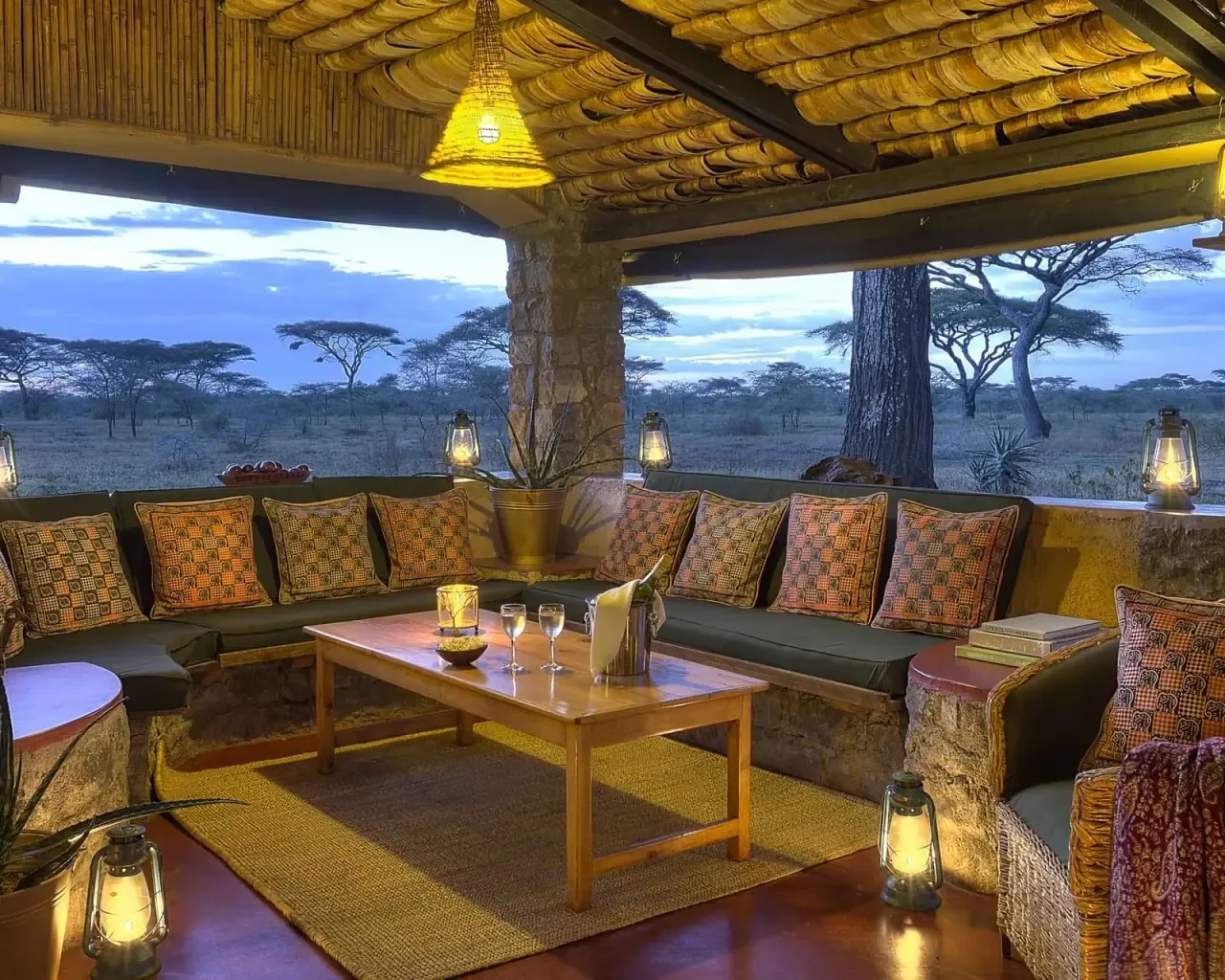
Gold Lodges Experience
Gold stays are our classic comfort level, usually in well-placed locations with views over the plains or the crater highlands, and a swimming pool at many properties. Expect a more refined setting and cuisine.
- Private veranda or terrace with a view
- Swimming pool at many properties
- Reliable power for charging your devices
- Refined dining, with sundowners in the bush
- Laundry service at many camps
Tanzania Visa
Most visitors need a visa. Check the official Tanzania e-visa site and your own embassy or consulate before you book, as rules differ by nationality and can change.
Health & Vaccines
Bring your own prescription medicine. Ask your doctor or a travel clinic about malaria prevention and yellow fever requirements for your route, well before you fly.
Currency & Cash
Cards are accepted at many lodges but not everywhere. Carry some cash for tips and small purchases; US dollar notes in good condition and of recent issue are usually preferred.
Mobile Signal & Data
Mobile signal is good in towns but patchy inside the parks. Ask us about connectivity at your lodges, and consider a local SIM or eSIM on arrival.
Tanzania Safari FAQ: When to Go, How Many Days, Visas & More
Honest answers from our Arusha team to what first-time safari travellers ask most.
It depends on what you want to see. The main dry season, roughly June to October, is excellent for general wildlife because animals gather near water. Calving in the southern Serengeti and Ndutu is generally January to March (in February around 8,000 wildebeest calves can be born a day), and April and May are usually the wettest, greenest and quietest months. Timing varies with the rains each year.