Tanzania Safari with Zanzibar: How to Plan Bush and Beach

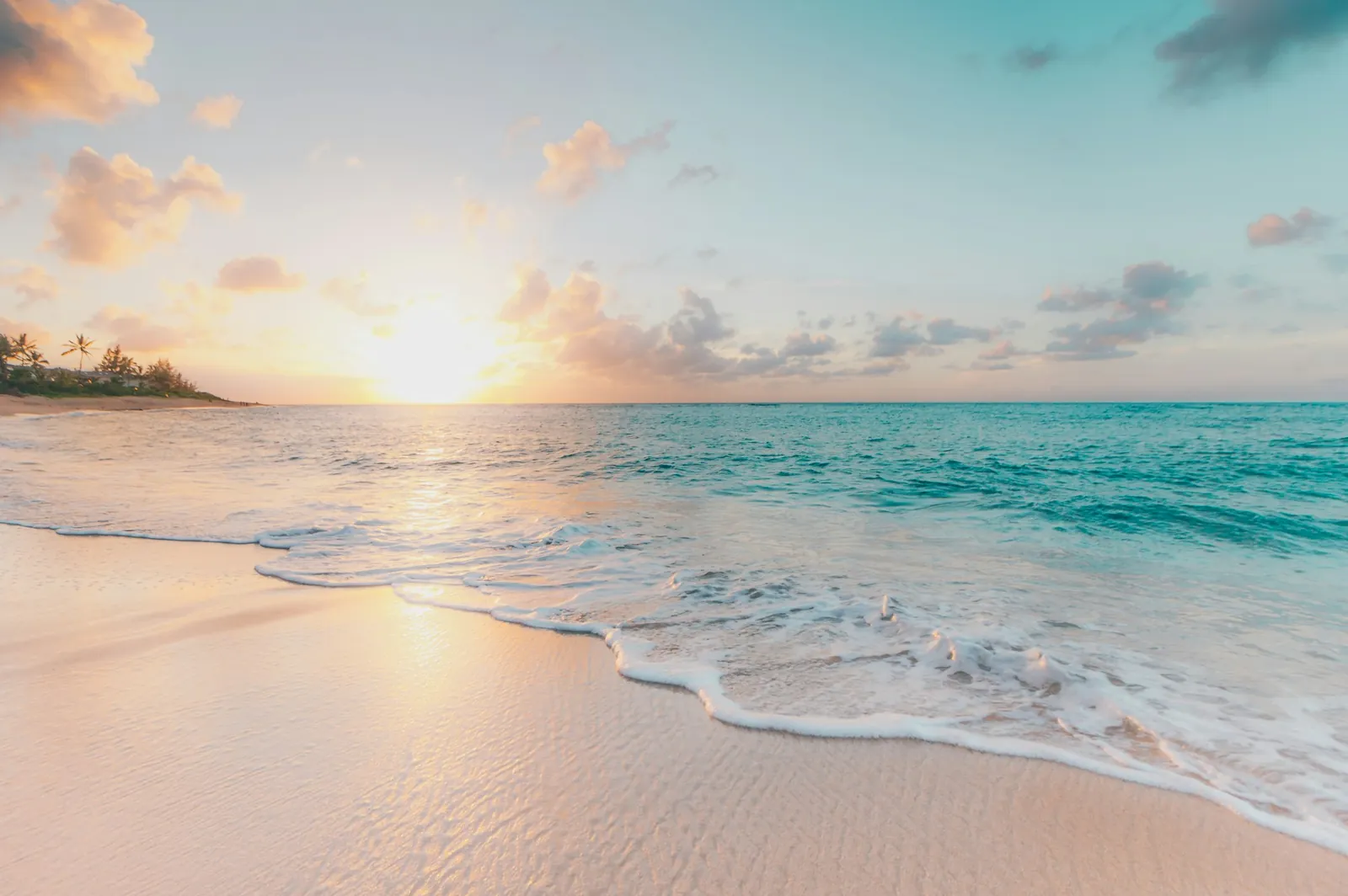
Combine a Tanzania safari with Zanzibar by doing the parks first, then flying to the island for 3 to 7 beach nights. Here is the order, transfers, areas and best months.
A Tanzania safari with Zanzibar works best in one order: do the national parks first, then fly to the island and stay three to seven nights on the beach. Safari days start before dawn and end dusty, so the beach is the reward, not the warm-up. Allow one long travel day between the two, and pick your Zanzibar coast by how you like to swim.
This guide covers how to plan the combination: the order, how you get from northern Tanzania to Zanzibar, how many beach days to take, which part of the island suits you, the best months, what to do beyond the sand, and the etiquette that makes a visit smoother. If you would rather have it planned for you, our Bush & Beach safaris are built around exactly this pairing.
Why pair a safari with Zanzibar
A bush and beach holiday in Tanzania answers two different wishes in one trip. The northern parks give you early starts, long drives and the concentration of a game drive. Zanzibar gives you the opposite: warm sea, slow mornings and a meal you do not have to hurry. Most people find that a safari followed by a beach feels like a proper holiday, while a beach followed by a safari feels like an obstacle course.
There is also a practical logic. Tanzania's safari circuit sits in the north, around Arusha, and Zanzibar lies off the east coast, so the two are connected by a short domestic flight. You use one country, one currency and one trip plan, and you can finish your holiday at sea level instead of at altitude.
The best order: safari first, beach second
Put the safari first. There are three reasons.
- Recovery. Game drives are tiring in the nicest way. Ending on the coast lets you sleep late and do nothing for a few days.
- Flexibility. If a park day runs long or a flight shifts, you lose a day of beach rather than a day of wildlife you cannot reschedule.
- Departure. Zanzibar has an international-connected airport, so you can fly home from the island with one connection instead of backtracking to Arusha.
The one exception is a trip that is mainly a honeymoon or a wedding celebration, where some couples prefer the island first to arrive rested. It is a valid choice, and our honeymoon package can be shaped either way if you tell us what matters most.
How to get from the safari to Zanzibar
From the northern parks there are two broad ways to reach the island. All times below are approximate and change with the airline and the day, so treat them as a planning guide, not a promise.
By air from the north
Most travellers fly. Scheduled and charter flights leave from Arusha, Kilimanjaro and the larger Serengeti airstrips, and routes commonly connect through Dar es Salaam or, on some days, run direct to Zanzibar. A direct flight is usually well under two hours in the air. A connection through Dar adds waiting time, so plan for most of a day door to door. Baggage on small safari aircraft is usually soft-sided and limited, so pack your beach clothes in a separate light bag.
The Zanzibar flight is sold separately by us and varies by season: ask for the current price when you enquire.
By ferry from Dar es Salaam
If you finish a safari in the south or are already in Dar es Salaam, fast ferries run to Zanzibar. The crossing is commonly quoted at roughly one to two hours depending on the vessel and the sea, plus time for check-in at the port and traffic getting there. Ferries are less comfortable in rough weather, and the flight is the easier option for most people coming from the parks. Check the operator's current timetable before you rely on a particular boat.
Transfers on the island
Zanzibar's main airport is a short drive from Stone Town. To the north, Nungwi and Kendwa are roughly an hour to an hour and a half by road. The east coast, such as Paje and Jambiani, is also roughly an hour, and Matemwe and Pongwe are about an hour or a little more. Roads are improving, but traffic and road works can add time, so we always suggest a private transfer rather than a connecting taxi on arrival day.
How many beach days do you need?
The right number depends on how much you want to do and how tired you are. Here is how we usually think about it.
- Two nights: only worth it for Stone Town. It is a taste, not a rest.
- Three nights: the minimum for a real beach break. You arrive, adjust, and swim.
- Four to five nights: the sweet spot for most people. Enough for a spice tour, a boat day and several lazy ones.
- Six to seven nights: for honeymooners, families and anyone who finishes a long safari and wants to do nothing at all.
Our own pairings reflect this. The 7-day Bush & Beach with Zanzibar keeps the safari short and the beach practical, while the 10-day Bush & Beach gives you more park time and a longer stay by the sea. If you are weighing how long to spend in the parks, read how many days you need for a Tanzania safari before you fix the split.
Where to stay: choosing your part of Zanzibar
Zanzibar is not one beach. The coast you choose changes your holiday more than the hotel does, and the main difference is the tide.
Stone Town: history and food
Stone Town is the old centre of Zanzibar City, and its historic core is a UNESCO World Heritage Site, inscribed in 2000. Its alleys, carved doors, markets and seafront reflect centuries of Swahili, Arab, Indian and European influence. It is not a beach base, but one or two nights here, at the start or the end of your island stay, give the trip some depth. Walk the lanes in the cooler part of the day and eat at the evening seafront food market.
Nungwi and Kendwa in the north: swimming at all tides
The north-western tip is the place to go if you want to swim whenever you feel like it. Nungwi and Kendwa are the best known of these beaches, and sources generally agree that the tide interrupts swimming far less here than on the east coast. Kendwa is often described as the most reliable for deep water at any tide, and Nungwi is close behind, though its best swimming can still depend on the tide and the part of the beach. These beaches are lively, with sunset bars, boat trips and dive centres, which suits couples and families who like having options.
Paje and Jambiani on the east coast: kitesurfing and tides
The east coast is a tidal lagoon. At low tide the sea retreats a long way, leaving sand flats, seaweed farms and shallow pools, and at high tide it returns, so swimming depends on checking a tide table for your dates. The trade-off is wind and space: Paje is the island's kitesurfing centre, and Jambiani is a long, quiet stretch of fishing boats and small guesthouses. Choose the east if you are drawn to watersports, wide horizons and a barefoot feel, and are happy to plan swims around the tide.
Matemwe and Pongwe: quieter coasts
North-east of the island, Matemwe and Pongwe are known for calm and space rather than nightlife. Matemwe faces Mnemba Atoll, so it is a natural base for snorkelling trips. The beaches are also tidal, but the pace is slow and it is a good fit for honeymooners and anyone who values peace over bars.
Best months for a Tanzania safari with Zanzibar
Zanzibar has two drier seasons and two wetter ones, which fit neatly with the safari calendar.
- June to October: the main dry season. Skies are generally clear and humidity is lower, which makes it a favourite for combining parks and the coast.
- December to February: the second dry spell. It is hotter and more humid, but it is good beach weather and works well for the southern and northern Serengeti.
- March to May: the long rains. Expect heavier, more persistent showers, higher humidity, and some lodges and boats closing or running reduced services.
- November: the short rains. These are usually shorter and more intermittent than the long rains, so November can still be a pleasant shoulder month.
The parks have their own rhythm, so the best month for one half of the trip may be less ideal for the other. If the Great Migration is a priority, see the best time to see the Great Migration and then choose your beach dates around it. Weather varies from year to year, so treat these as patterns, not guarantees.
What to do on Zanzibar besides the beach
Even a confirmed sunbather usually wants one or two outings. These are the ones we would pick.
Stone Town on foot
Allow half a day. Highlights include the carved wooden doors, the old fort, the markets and the seafront. A local guide helps with the history, and many visitors hire one for the first morning only.
A spice tour
Zanzibar has long been associated with cloves and other spices, and a farm visit lets you see, smell and taste the plants that give the island its nickname. Tours run for a few hours and are easy to add to a Stone Town day.
Jozani Forest and the red colobus
Jozani Chwaka Bay National Park, in the centre-south of the island, is the best-known place to see the Zanzibar red colobus, a monkey found only on the islands of the archipelago. The monkeys are used to people and usually easy to see on a short guided walk. Keep your distance and follow the guide's directions.
Prison Island
A short boat ride from Stone Town, Prison Island is known for its giant tortoises and its old buildings. It is easy to combine with snorkelling on a half-day trip.
Mnemba Atoll: snorkelling and dolphins
Mnemba is a small island off the north-east coast, surrounded by reef, and day boats for snorkelling usually leave from Nungwi and Matemwe. Dolphins are sometimes seen on these trips, but sightings are never guaranteed, and access rules around the island itself can change, so ask the operator on the day about what is permitted.
Sample beach plans
Here are three simple ways to build the Zanzibar half of the trip. Adjust them to your fitness, your budget and the time of year.
A 3-night plan
- Night 1: arrive from the parks, transfer to one coast and do nothing.
- Night 2: a morning snorkel or boat trip, then a long afternoon on the sand.
- Night 3: a relaxed morning, and a final sunset before the flight home.
A 4-night plan
- Nights 1 and 2: Stone Town, with a walking tour, a spice farm and the seafront food market.
- Nights 3 and 4: one beach coast. Spend the first day resting and the second on a Mnemba snorkelling trip.
A 7-night plan
- Nights 1 and 2: Stone Town and one outing to Prison Island or a spice farm.
- Nights 3 to 5: north (Nungwi or Kendwa) for swimming at any tide.
- Nights 6 and 7: east coast or Matemwe for a quieter finish, with a Jozani visit on the way if the road suits.
If you are travelling as a family, family safari in Tanzania with kids covers what to expect, and children under 4 travel free on most of our packages.
Etiquette: Zanzibar is predominantly Muslim
Zanzibar's population is predominantly Muslim, and the island is welcoming, but a few habits make visits smoother.
- Dress modestly in towns and villages. Cover shoulders and knees away from the hotel and beach. Swimwear belongs on the beach and at the hotel pool.
- Ask before photographing people. Many people, particularly women, prefer not to be photographed.
- Respect Ramadan. During the holy month, some restaurants in Stone Town and villages close or open only after sunset. Eating or drinking openly in public in daylight can be seen as disrespectful. Beach hotels keep serving as usual, and evenings can be lovely. The dates move each year, so check them when you book.
- Be mindful of alcohol and public displays of affection. Both are best kept to the hotel or beach resort.
Entry and health requirements change, so check official sources for visa and medical rules before you travel.
Planning it with us
We are based in Arusha, so we can plan the northern parks and the island as one trip, with the Zanzibar flight arranged as a separate item. Our packages come at three price levels, and most include a free two-hour walking safari subject to park rules. Tell us your dates, who is travelling, and whether you want to swim at any tide or watch kites over a lagoon, and we will shape the split between bush and beach. You can contact us to start.
Frequently asked questions
Can you combine a Tanzania safari with Zanzibar?
How many days should I spend on Zanzibar after a safari?
Which part of Zanzibar is best for swimming?
When is the best time to go to Zanzibar after a safari?
Is it better to fly or take the ferry to Zanzibar?
What should I wear in Stone Town and the villages?
Strenger African Safaris Team
Safari planning team, Strenger African Safaris, Arusha.