Can You Fly a Drone in Tanzania? Permits & Filming Ethics
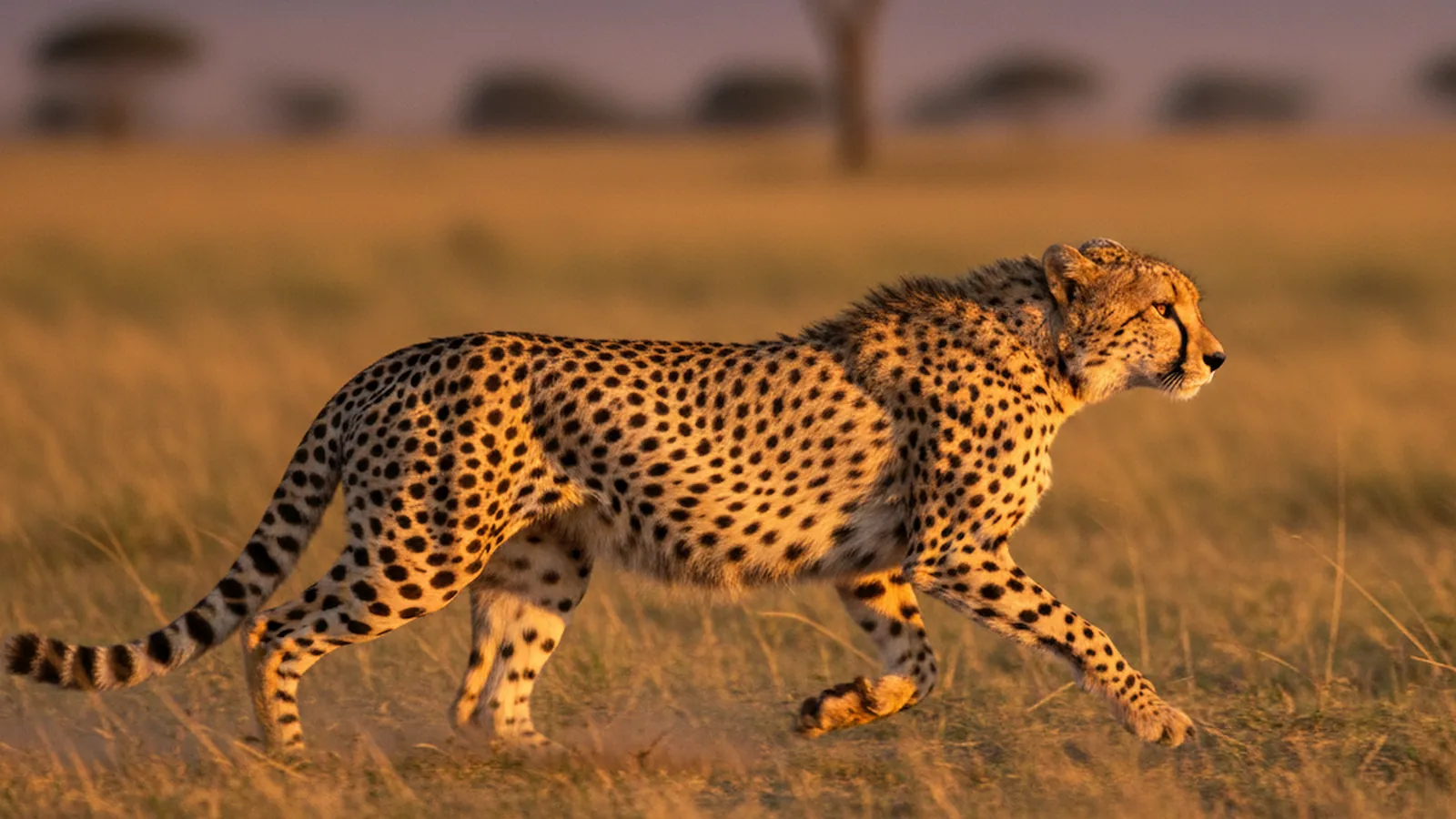
Can you fly a drone in Tanzania? Only with several approvals, and national parks generally restrict drones. Permits, ethics and kit for filming wildlife.
Can you fly a drone in Tanzania? Yes, but not casually. Drones need approval from the civil aviation authority, and national parks and conservation areas generally restrict them, so flights inside protected areas need additional permission from the park authority and are never guaranteed. At the time of writing, rules and fees change often, so confirm everything with the relevant authority before you travel.
This guide explains how drone and filming permission generally works in Tanzania, how to film wildlife without disturbing it, what camera kit actually matters on safari, and how to photograph people respectfully. It is written for photographers, content creators and anyone planning a filming safari in Tanzania.
The short answer on drones in Tanzania
Tanzania regulates drones more tightly than many visitors expect. The Tanzania Civil Aviation Authority (TCAA) publishes a drone page describing a sequence of approvals for visitors, and it has warned publicly that unregistered drones can lead to fines or confiscation. A drone arriving without the required import permission can be held at the border.
On top of aviation rules, protected areas are managed by their own authorities. Tanzania National Parks (TANAPA) manages the national parks, and the Ngorongoro Conservation Area Authority manages the Ngorongoro Conservation Area. Published guidance generally describes drones as restricted in national parks, with exceptions only by special approval. Ngorongoro is commonly described as one of the most restrictive areas for drones.
So the honest summary is this: a hobby drone packed in a suitcase is a bad plan, while a properly permitted, authority-approved flight arranged well in advance is sometimes possible. The authorities decide, not the tour operator and not the visitor.
Who you generally need permission from
Sources describing the process generally mention several separate bodies. The exact list and order can change, which is why a current check with each authority matters.
- Civil aviation authority (TCAA): import permission for the drone, drone registration, operator registration and an operations approval. This applies to recreational as well as commercial flights.
- Park authority: TANAPA for national parks, or the Ngorongoro Conservation Area Authority for Ngorongoro. This is the approval that decides whether you may fly in a particular place at all.
- Film regulator: professional filming usually involves the national film authority and a filming permit, separate from any aviation paperwork.
- Security clearance: some published guidance also mentions defence-related clearance for drone use, and officials may accompany a crew on approved drone shoots.
Two practical points follow. First, applications are generally made well ahead of travel, with a month or more often cited, and on-the-spot permits are not something to count on. Second, approvals are usually tied to specific dates, locations and named equipment, so changing your itinerary can mean starting again.
Filming permits and fees: what to expect
A wildlife filming permit in Tanzania is a different thing from a park entry ticket. Park fees cover entry and vehicle access. Commercial or professional filming, and drone use, are usually charged and approved separately, with fees set by the authorities.
We do not quote fee figures here because they are set by the authorities, differ by park, shoot type and crew size, and change. Numbers on blogs and fixer websites often conflict with each other and may be out of date. Ask the authority or your operator for a current written figure and treat anything older as a rough guide only.
The line between personal and professional filming also matters. A phone or camera used for holiday footage is normally fine within the usual park rules. Filming for broadcast, advertising, a paid channel or a documentary generally falls under the commercial filming rules. If you are unsure which side you are on, ask before you travel, not at the gate.
Wildlife ethics: the rules that matter more than any permit
A permit tells you what is legal. It does not tell you what is kind. Whether you shoot from a vehicle or from the air, a few principles apply everywhere:
- Keep your distance. Let the animal decide how close is comfortable. If it stops feeding, stares at you, changes direction or moves away, you are too close.
- Never chase. Do not follow a running animal, cut across a herd or box in a predator. A hunt filmed by driving into it is a hunt you may have ruined.
- Switch the engine off at sightings once your guide has positioned the vehicle. It cuts noise and vibration, and it gives you steadier footage.
- No drones near animals that could be disturbed. Buzzing overhead can read as a predator to birds and herd animals. It can stress nesting birds, scatter herds and separate young from mothers. Where a drone is permitted at all, it should be kept high, away from animals, and landed if anything reacts.
- Stay in the vehicle and keep voices low. Do not stand on seats or lean out in ways that change how the vehicle looks to animals.
- Never bait or call animals. No noise, no playback, no throwing food.
- Respect other vehicles. Do not crowd a sighting. Take your frames and make room.
Good guides apply these rules naturally, and the best footage usually comes from patience. An animal that has forgotten you are there behaves in ways that a stressed one never will.
Camera kit for a Tanzania safari
You do not need exotic equipment, but you do need the right type. Distance rules mean you will be shooting from a respectful range, so reach and stability matter most.
Lenses
A long telephoto zoom, in the region of 100-400mm or 150-600mm, is the workhorse for wildlife. A shorter zoom covers landscapes, vehicles and close encounters with elephants. Bring a wide-angle if you like big skies and acacia silhouettes.
Stability
Tripods are awkward in a vehicle. A bean bag resting on the roof or window frame is the standard answer: it supports a heavy lens, absorbs vibration and packs flat. For video, a fluid head and a monopod can help, and remember to switch the engine off before you shoot.
Low light and power
Most action happens at dawn and dusk when light is low. A camera that handles high ISO cleanly and lenses with wide apertures make a real difference. Carry spare batteries and memory cards, a charger that works from a vehicle supply or lodge socket, and lens cloths, because dust is constant.
Protecting the gear
Keep equipment in a padded bag, cover it on dusty tracks and avoid changing lenses in the open on windy days. A rain cover is worth carrying in the wetter months.
Best light for wildlife photography and filming
The best light on safari is generally the first and last hours of the day. Low, warm sun gives texture and colour, and long shadows add depth to a lion's mane or an elephant's skin. Animals are also more active at these times, so you get behaviour as well as beauty.
Midday light is harsh and flat, and heat haze can soften long-lens images. Use that time to rest, review footage or enjoy a lodge, or shoot subjects in shade. Overcast days are underrated: they give soft, even light that suits portraits of animals.
Plan your days around the light. Early starts mean leaving before sunrise, and an evening game drive may need to finish within park rules about being back before dark. Your guide will know the timing for your location and season.
Vehicle etiquette for photographers
Filming from a safari vehicle is a shared activity, so a little courtesy goes a long way.
- Agree with your guide how to position the vehicle for the light before you arrive at a sighting.
- Keep your seat position consistent when you are shooting video so the vehicle is not rocking.
- Do not tap or shout to make an animal look at you.
- Keep flash off. It startles animals and rarely improves wildlife images.
- Share windows and roof-hatch space fairly in a group, and rotate seats on long sightings.
A private vehicle with a roof that opens and a driver-guide who understands photography is the single biggest advantage for serious shooters. If you also want to see how a different style of viewing works, our comparison of a walking safari versus a game drive explains how each affects what you can film.
Photographing people: Maasai and community privacy
Wildlife is not the only subject in Tanzania, and people are not scenery. Always ask before you photograph someone, and accept a no without argument. A smile and a gesture toward your camera is often enough to open a conversation, and your guide can help with language.
Some communities consider photographs sensitive, and children, homes and ceremonies call for extra care. If you plan to publish or post an image of an identifiable person, particularly for a commercial purpose, you should get explicit consent. Never photograph people from a moving vehicle without asking, and do not pay for portraits in ways that turn people into props. If someone offers to share their work, a craft, a song or a story, treat it as an exchange and be willing to compensate fairly.
Respect also means listening. If your guide advises that a place or moment is not for filming, take the advice. Your guide's relationships with local people are what make good cultural encounters possible in the first place.
What makes a filming safari different
A filming safari is built around the shot, not the checklist. Itineraries allow longer at each sighting, early starts and late finishes for the best light, and flexible days so you can go back to a promising location. Vehicles are set up for camera work, and the pace suits creators who would rather spend three hours with one pride than a quick look at six.
Our filming safaris are designed this way. They include a free 4K drone and a filming permit as part of the offer, but the park authorities set the rules and approve permits, so drone flights are never promised in every park and depend on where you travel and what is approved for your dates. You can see how the format works on the Elephant King filming safari and the Lion King filming safari.
Timing also shapes what you film. If big herds and river crossings are on your list, read about the best time to see the Great Migration before choosing your dates, and see what to wear on safari for the temperature swings between dawn and midday.
How to plan a legal, ethical filming trip
- Decide early whether you need a drone. Many strong wildlife films are shot entirely from the vehicle with a long lens. If the aerial shot is essential, start the permit process well ahead of travel.
- Ask your operator what is arranged and what is not. Permits are approved by the authorities, so ask which approvals your package covers and which are still subject to decision.
- Do not bring a drone in as ordinary luggage. Declare it and have the paperwork ready.
- Plan around the rules, not against them. Choose locations where filming is realistic, and be ready to adapt if an approval is refused.
- Keep records. Carry printed and digital copies of permits during any shoot.
When you are ready to talk dates and locations, contact us and tell us what you hope to shoot.
Frequently asked questions
Can you fly a drone in Tanzania as a tourist?
Are drones allowed in Tanzania's national parks and Ngorongoro?
Do I need a permit to film wildlife in Tanzania?
What is a filming safari in Tanzania?
What camera gear do I need for a wildlife safari?
How close can I get to wildlife when filming?
Strenger African Safaris Team
Safari planning team, Strenger African Safaris, Arusha.